Professional Photography Resources
Any professional photographer needs to be able to do much more than pick up a camera and point it at a subject. Nowadays, it's just as important to be able to work with images in software packages such as Adobe Photoshop or Pixelmator. Clients have an increasing understanding of the power of these software tools and expect even mundane shots to come back looking spectacular.
Building a Photography Workflow
Before any photographer starts shooting, they generally plan what they will do with the images when they get back to their studio. This means ensuring that they have the right software in place and that any individual plugins which may be required to manipulate the images they take, is in place. A photographer's workflow is a highly professional thing, and no two are entirely alike. Thankfully, there are now a wide variety of software packages available that allow photographers to customise photos to their exact needs.
Choosing the Right Equipment
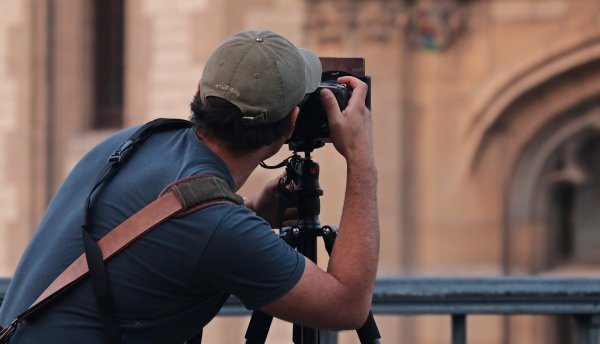
Of course, the camera and accessories which a professional photographer uses are still vitally important. High-grade lenses and other pieces of equipment can cost tens of thousands of pounds, and represent a significant investment on the part of the photographer in their chosen profession. While it is possible to achieve good results with camera phones and other reasonably basic pieces of equipment, truly professional level photography requires high-end equipment from manufacturers such as Canon and Nikon, and a good understanding of how to get the best results from a particular camera. As you save money to be able to buy photography equipment you might want to try playing online games.